
2026-05-25 https://metro.co.uk/2026/05/22/ai-unlocks-3-500-year-old-ancient-code-rewrite-human-history-28477540/ HaiPress
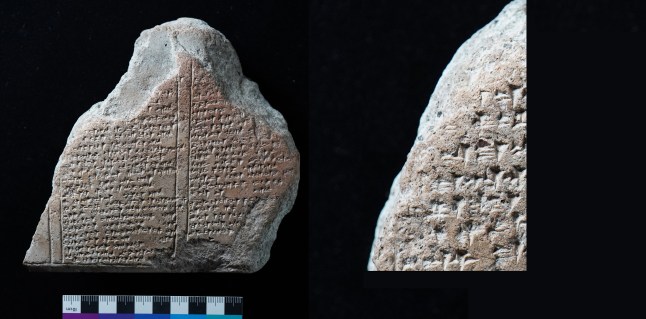
This cuneiform tablet,just over ten centimetres wide,describes a ceremonial ritual (Picture: Dr Daniel Schwemer/Cover Media)
Artificial intelligence is being used to translate ancient clay cuneiform tablets that could give us clues to the origins of human civilisation.
The tech tools are able to decipher and reconstruct fragments Hittite texts in a fraction of the time it has taken humans to read and translate them.
In the three millennia before the Common Era,advanced civilisations in the Near East recorded information on clay tablets using cuneiform – a writing system in which wedge-shaped symbols were pressed into wet clay with a stylus before being dried.
The project,developed by researchers at the University of Würzburg and the Academy of Sciences and Literature Mainz,focuses on cuneiform tablets produced around 3,500 years ago in what is now Anatolia,in Turkey.
Many of those tablets have since broken apart,with fragments dispersed across museums worldwide.
Scholars in Ancient Near Eastern Studies have long faced the challenge of reassembling the pieces in order to recover complete texts and gain insights into life in the ancient world.
The Würzburg-Mainz research team has spent years developing digital tools to support that work,particularly in the study of the Hittites.
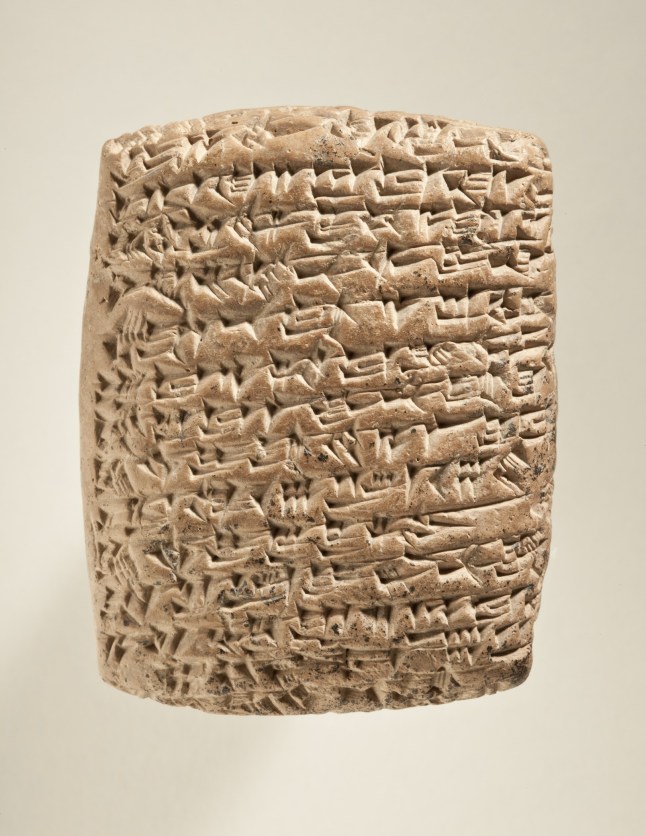 A cuneiform Tablet from an Assyrian Trading Post (Picture: Los Angeles County Museum of Art/Cover Media)Their cuneiform system was highly complex,containing 375 signs representing both syllables and entire words.
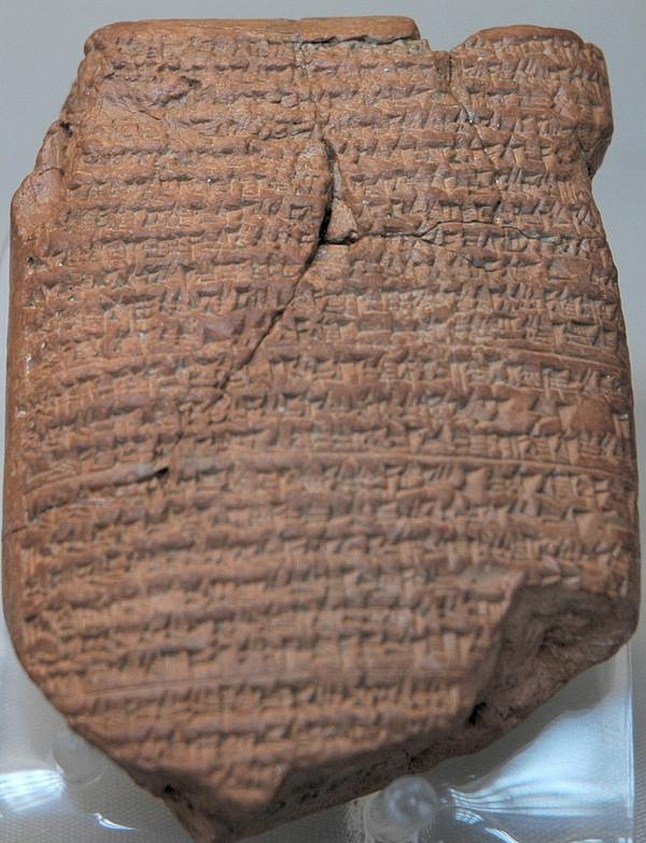 The Early Years of Nebuchadnezzar chronicle is imprinted with dense cuneiform (Picture: Jona Lendering/Cover Media)‘We are continuously retraining the AI,’ said Professor Müller,adding that user feedback would shape future updates where technically feasible.According to the team,the international Hittitology community has already responded enthusiastically to the tool.‘All researchers in Hittitology open the portal first thing in the morning; they simply can’t do without it,’ said Professor Schwemer.The researchers’ longer-term ambition is to train the AI to identify the handwriting of individual scribes automatically.They say the task is challenging because scribes adapted their handwriting to different circumstances,producing more careful script in calm conditions and faster,less formal writing when drafting reports in the field.‘If we achieve this goal,we could gain a better picture of what individual scribes produced over the course of their professional careers,’ Professor Schwemer said. “And we could compile a social history of Hittite writing culture.”The foundations for the project were laid between 2018 and 2023 through the DFG-funded CuKa project,which developed the AI model underpinning Palaeographicum.
New video shows terrifying scramble for lifejackets before ferry capsizes
Nepal head teacher’s quick thinking saved more than 1,600 children from floods
Man killed after lethal storm sinks two yachts in Cyprus
Mum sentenced to death in Iran for taking photo of shop on fire
Captain and crew detained after eight die on capsizing ferry
Cause of death of British teenager who died after boat explosion revealed
©copyright2009-2020Fresh life
