
2026-04-03 https://metro.co.uk/2026/04/02/incredible-shipwreck-graveyard-discovered-off-coast-greek-island-27825344/ HaiPress
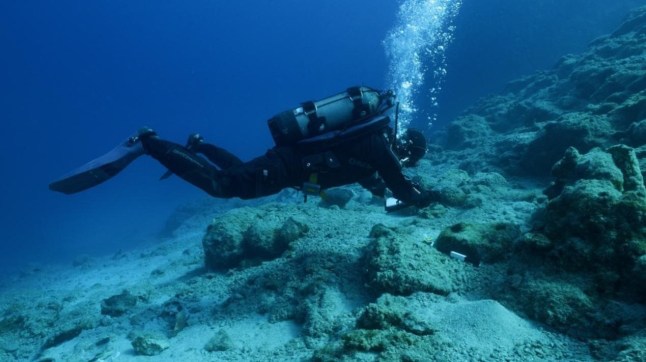
A diver photographs a prehistoric anchor of the island of Karpathos in Greece (Picture: S. Apostolopoulos/Greek Ministry of Culture/Cover Media)
Archaeologists have discovered a ‘shipwreck graveyard’ dating back more than 2,600 years off the coast of an ancient Greek island.
Karpathos,which was referenced in texts by Homer and later inspired the science fiction writer Jules Verne,has long been associated with maritime exploration.
Over the last few months researchers have found five shipwrecks near the island – four ancient,one modern – with the earliest dating back to around the 7th century BC.
Teams of Greek and international researchers focused on areas where remains of the ancient settlements of Vrykountos and Nisyros are visible.
These were two of the four city-states that formed the so-called ‘Karpathian tetrapolis’,a major political and maritime network as described by the ancient geographer Strabo.
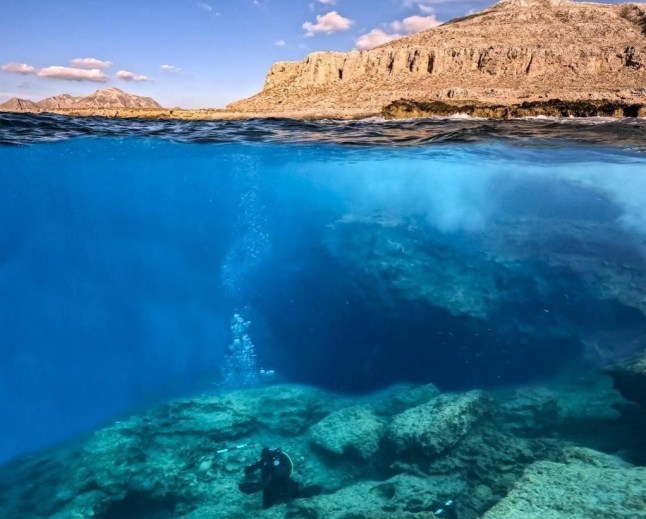
Five ship wrecks have been found off the island in the last few months (Picture: Greek Ministry of Culture/Cover Media)
More than 120 dives were carried out at depths ranging from three to 45 metres across northern Karpathos and the nearby island of Saria.
The team discovered underwater remains spanning more than 26 centuries,from the late 7th century BC to the early 19th century.
Among the most significant discoveries were the four ancient shipwrecks,stretching from earlier Greek times,when Sparta was at its peak,to the Roman era.
Numerous amphorae (double-handed vases that stored water,oil or wine) were discovered.
The team also found the remains of harbour infrastructure and more than 20 Byzantine anchors,indicating that at one time there was significant marine traffic in the area.
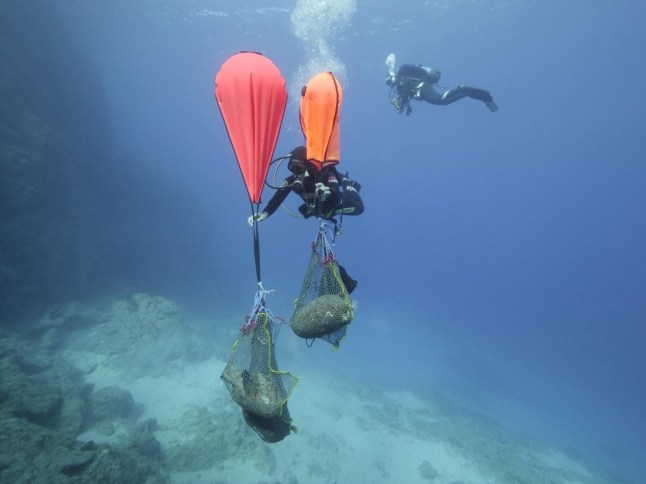
Items are carefully retrieved from one of the sites and taken to land for examination (Picture: S. Apostolopoulos/Greek Ministry of Culture/Cover Media)
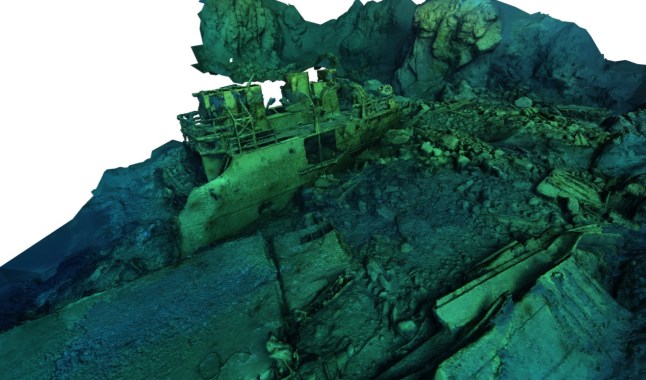
A three-dimensional model of a modern shipwreck which was identified as part of the expedition (Picture: E. Diamantis/Greek Ministry of Culture/Cover Media)
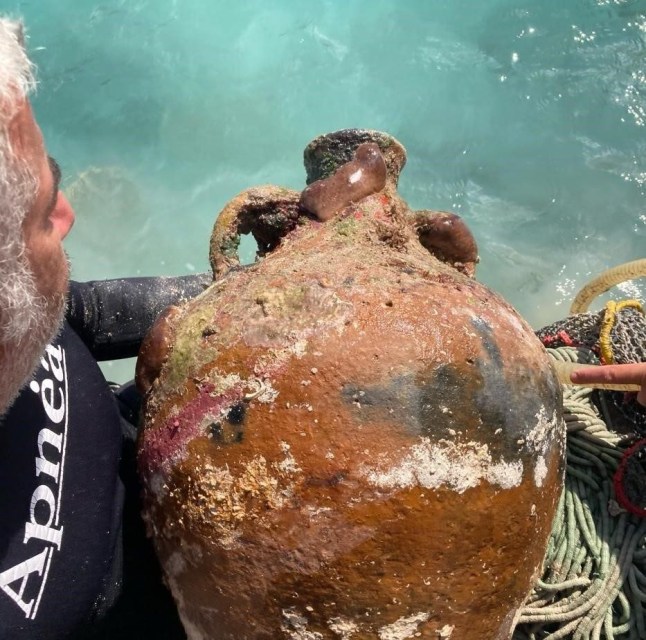
A late Roman amphora,which was recovered from the shipwreck KTH1 (Picture: E. Diamantis/Greek Ministry of Culture/Cover Media)
Researchers say the finds,together with extensive residential and ecclesiastical remains at Tristomo,highlight the importance of the area during Late Antiquity.
The expedition involved more than 40 specialists from a range of disciplines,including archaeologists from Mexico’s National Institute of Anthropological Research and staff from the Norwegian Maritime Museum.
The project received funding from several public and private bodies,including Greece’s General Secretariat for Aegean and Island Policy and the National Research Foundation.
Alongside the survey,a separate initiative examining the impact of climate change on underwater cultural heritage has also been completed.
This included conservation work on historical artefacts in the waters around Kasos.
Influencers are putting their lives in jeopardy for the perfect shark snap
At least one dead after Hurricane Lala lashes Hawaii with 91mph winds
Five teenagers dead after car drives wrong way on motorway
Twelve dead after tourist bus crashes in Hungary
Moment woman jumps from burning 11th-floor building
Nato fighter jets shoot down drone over Europe
©copyright2009-2020Fresh life
